The morning case file
London Crime Briefing
Significant incidents, hearings, outcomes and public-data changes across the capital.
Topic
7 stories, newest first.
Permanent live facial recognition cameras will be installed on Oxford Street in December, the Metropolitan Police has confirmed. The technology will scan shoppers' faces against a watchlist of suspects, drawing criticism from human rights groups over privacy and a lack of regulation.

A six-month trial of live facial recognition technology in London stations cost over £320,000 and resulted in one false match but no arrests. British Transport Police are now extending the trial to include London Underground.

Stratford Station will trial Live Facial Recognition technology following over 4,500 reported incidents of violence against women and girls on London's public transport in 2025. The trial aims to improve suspect identification by British Transport Police.
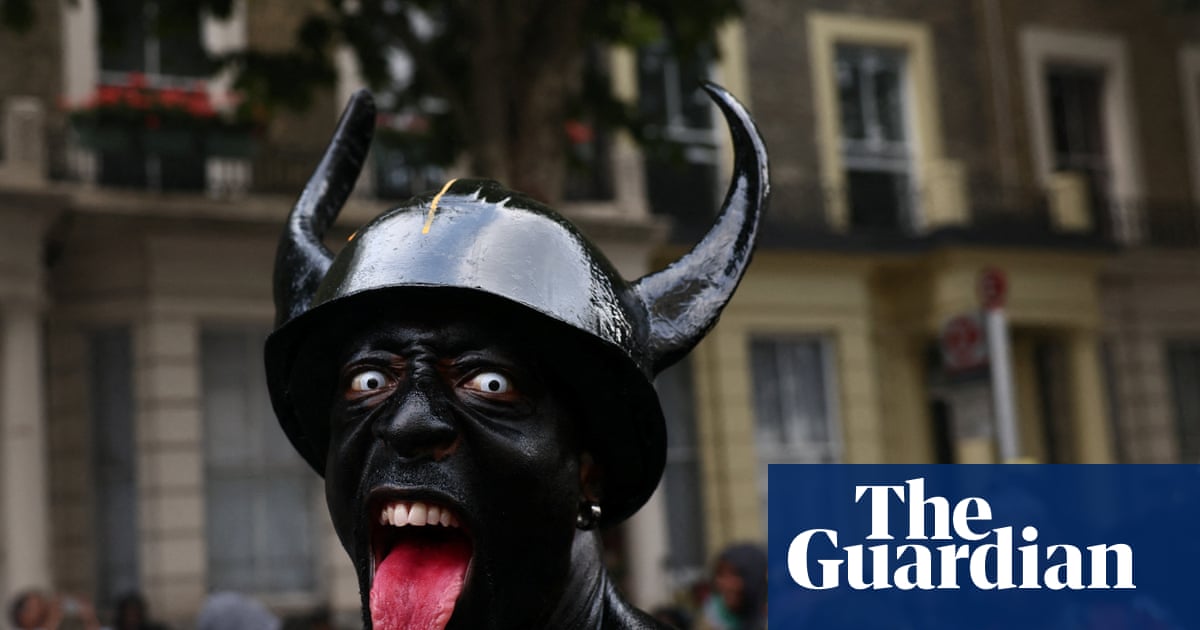
The Metropolitan Police Commissioner has decided against discontinuing the use of live facial recognition technology at the Notting Hill Carnival. This decision comes as campaigners voice strong objections, citing racial bias concerns. Separately, Usain Bolt stated that moving the carnival would lead to its end.

A six-month trial of live facial recognition (LFR) cameras at London railway stations, including Victoria Underground, has produced no confirmed matches, British Transport Police (BTP) has said. The trial, which will run until November, has sparked concerns over privacy, accuracy and public consultation, with 72% of Londoners wanting a say in its use.

Sainsbury's has suspended live facial recognition at its East Dulwich branch following an incident where a customer was wrongly identified as a shoplifter. The supermarket apologised to Matt Arnold, 46, who was stopped at a self-service till and asked to leave. A similar error occurred in Elephant and Castle in January.

The Metropolitan Police began using live facial recognition cameras in Islington on 10 August 2026. The technology scans faces in public spaces and matches them against a police watchlist. The force says it aims to prevent crime and locate wanted suspects, while its policy remains under annual review.
Significant incidents, hearings, outcomes and public-data changes across the capital.