London surgeons use AI in world-first brain tumour operation
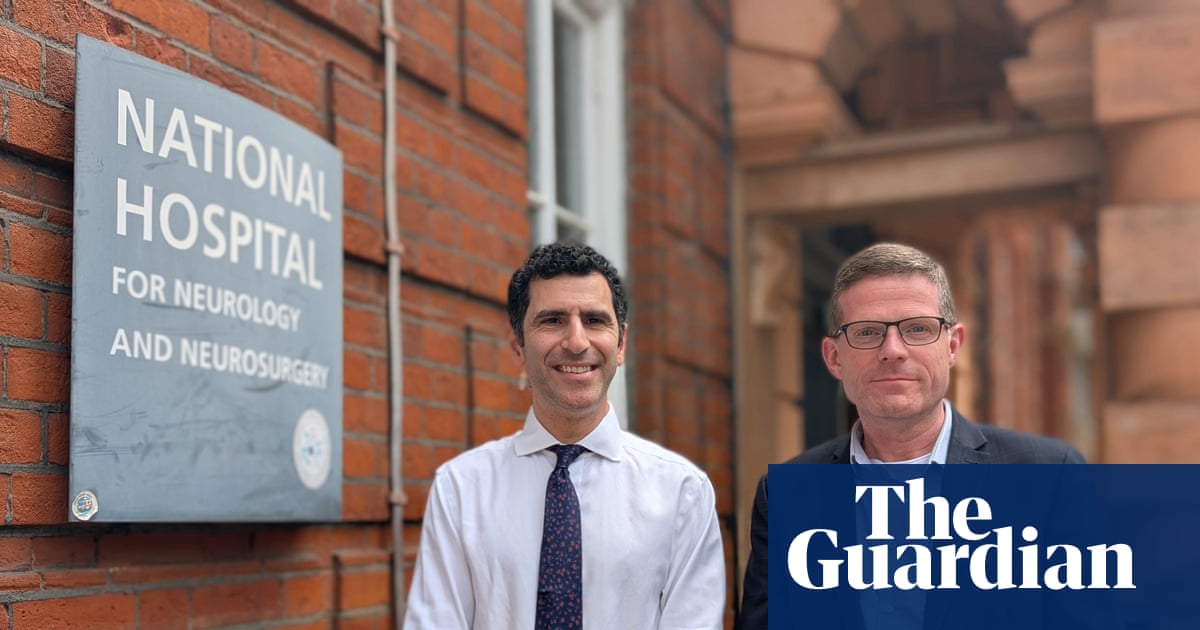
The National Hospital for Neurology and Neurosurgery used an AI system to identify critical anatomy during surgery for Rhys Hibbert.
 Incident → evidence → outcome
Neurosurgeons in London have carried out the world's first successful operation to remove a brain tumour with the assistance of artificial intelligence. The procedure, conducted in May at the National Hospital for Neurology and Neurosurgery (NHNN), aimed to preserve the sight of the patient, Rhys Hibbert, a 48-year-old man.
During the surgery, an AI system analysed live camera feeds to identify crucial anatomical structures, such as nerves and blood vessels, located close to the 11mm tumour on Hibbert’s pituitary gland. The surgical team maintained complete control throughout the operation, with the AI providing real-time guidance.
Patient recovery and AI's role
Hibbert reported clear vision immediately after waking from the surgery and was able to walk independently within a week. He has since resumed his role as a customer service manager. The AI technology works by colour-coding important structures within the brain, aiding surgeons in recognising them safely. This marks the first time the hospital has used this technology on a patient, having previously employed it as a research tool.
The pituitary gland, along with the blood vessels and nerves responsible for vision, are densely packed. Health officials noted that even minor surgical errors in this area could lead to severe consequences, including blindness or stroke. Dr Sophia Bano, an associate professor at UCL and technical lead for the AI system, stated that the system has learned from numerous surgical videos, exposing it to a wide range of scenarios that would take a human surgeon many years to experience. She explained that the AI is designed to recognise critical anatomy, surgical instruments, and tissue interactions in real time, thereby supporting surgeons during highly delicate procedures.
Funding and historical significance
Hibbert's symptoms, including vision problems and severe hormone imbalance, had worsened since his diagnosis in 2024. Without the operation, he faced the risk of permanent blindness. Hibbert commented on the historical significance of the procedure, noting that the NHNN, founded in 1859 as the world's first dedicated neurosurgical hospital, was now also the site of the world's first AI-assisted neurosurgery.
The operation was funded by the National Institute for Health and Care Research (NIHR) as part of a clinical trial. Professor Mike Lewis, scientific director for innovation at the NIHR, highlighted the pioneering nature of the surgery and its potential to enhance surgical support and patient care through advanced AI.
Questions this report answers
01What was the world's first AI-assisted brain tumour operation?
The world's first successful AI-assisted operation to remove a brain tumour took place in May at the National Hospital for Neurology and Neurosurgery (NHNN) in London. An AI system analysed live camera footage to help surgeons identify critical anatomy near the tumour.
02Who was the patient and what was the outcome?
The patient was Rhys Hibbert, who had an 11mm tumour on his pituitary gland. Following the surgery, he was able to walk independently within a week and has since returned to work, with his sight preserved.
03Who funded this AI-assisted surgery?
The operation was funded by the National Institute for Health and Care Research (NIHR) as part of a clinical trial. This funding supported the pioneering use of AI technology in neurosurgery.
Support is available without a police report
Find London services, specialist support and the rights set out in the Victims’ Code. If someone is in immediate danger, call 999.
Find victim supportSend a correction or case update
If a hearing, charge or outcome has changed, send the court, case number and source document so we can update the record.
Contact the desk
