Met Police shut down undercover unit after inquiry finds unjustified spying
Special Demonstration Squad disbanded after senior officer says it targeted harmless groups and abused women
 Incident → evidence → outcome
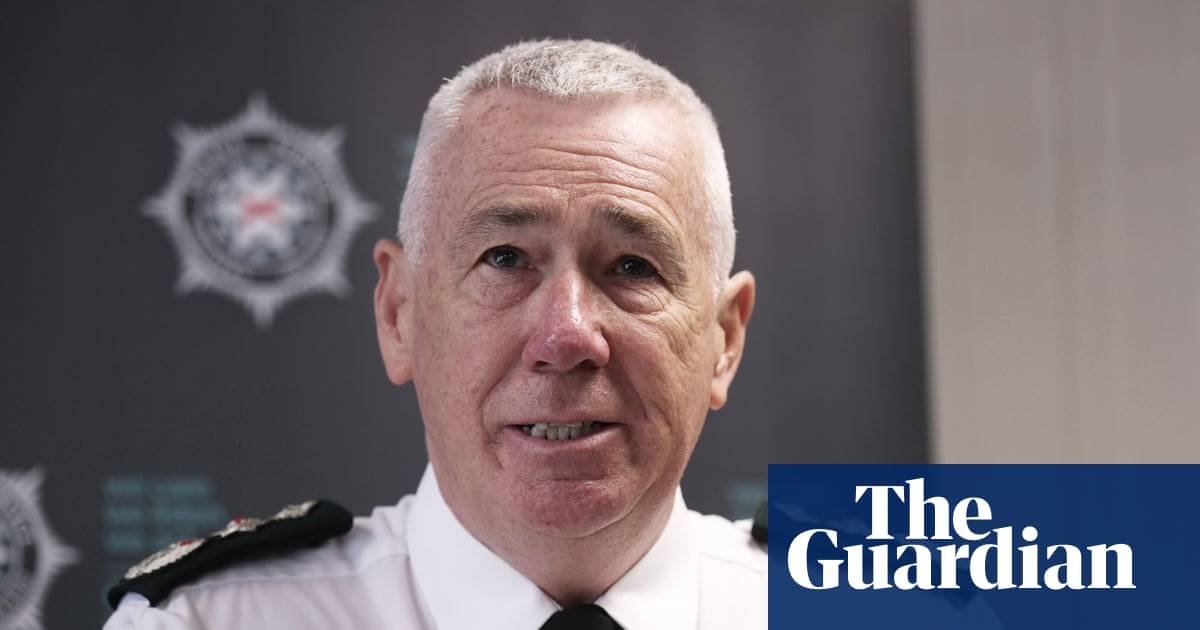
The Metropolitan Police shut down its undercover Special Demonstration Squad after a public inquiry concluded it conducted unjustified surveillance on political activists. Jon Boutcher, the senior officer who oversaw the unit’s closure, told the inquiry the SDS had become a liability, targeting groups that posed no threat while failing to address real security risks.
Boutcher, who was a detective chief superintendent in Scotland Yard’s counter-terrorism division at the time, said most of the groups infiltrated by the SDS, including pro-Palestinian supporters, environmental organisations and the Socialist Workers Party, did not endanger public safety. He contrasted this with the unit’s near-total absence from terrorist investigations, despite rising threats from international extremism.
Abuse and resistance to reform
The inquiry heard evidence of systemic misconduct within the SDS. Officers routinely formed intimate relationships with women they were spying on without disclosing their true identities. Boutcher described this as the sexual abuse of vulnerable women, causing incalculable harm. The unit also collected intrusive details about protesters’ personal lives, including friendships and living arrangements.
Boutcher said the SDS should never have targeted grieving families, such as the relatives of Jean Charles de Menezes, the innocent man shot dead by police on the Tube in 2005. The unit’s operations, which spanned from 1968 to at least 2010, involved 139 undercover officers who assumed false identities for deployments typically lasting four years.
“The abusive and inappropriate behaviour of the SDS undercover officers had damaged members of the public. The sexual abuse of many vulnerable women by some SDS operatives caused incalculable and intolerable harm.”
Financial mismanagement and closure
Boutcher said the SDS resisted oversight and reform. When he took charge, he found the unit was poorly trained, with all but one officer refusing further training. He also raised concerns about financial mismanagement, including excessive overtime claims. When cuts were proposed, many officers threatened to resign.
The unit’s intelligence output was minimal. Boutcher asked for a list of its successes over the previous five years but found the claims exaggerated. He described the unit’s justifications for its existence as akin to fairytales. Initially, he considered redirecting the SDS toward counter-terrorism but concluded it was too insular and resistant to change.
With the agreement of senior Met officials, Boutcher disbanded the SDS in 2026. He called the decision groundbreaking, given the unit had operated for over four decades. The inquiry continues to examine the conduct of the 139 undercover officers who infiltrated political groups during the unit’s existence.
What happens next
The public inquiry into undercover policing is ongoing. It will continue to review the actions of the SDS and another covert unit, with further hearings expected later this year. The Met Police has not announced any plans to reinstate a similar unit. Boutcher’s findings have already prompted calls for tighter oversight of covert operations in London.
Questions this report answers
01Why was the Special Demonstration Squad shut down?
The SDS was disbanded after a public inquiry found it conducted unjustified surveillance on groups posing no threat, abused women and produced little useful intelligence. Jon Boutcher, who led the review, said the unit was badly run and resistant to reform, leading to its closure in 2026.
02Which groups did the SDS spy on?
The SDS infiltrated pro-Palestinian supporters, environmental organisations, the Socialist Workers Party and anti-racism campaigns. The inquiry heard these groups posed no threat to public order, yet the unit spent decades monitoring them instead of terrorist networks.
03What harm did the SDS cause?
Undercover officers formed intimate relationships with women without revealing their identities, which Boutcher called sexual abuse. The unit also collected intrusive personal details about protesters and spied on grieving families, including relatives of Jean Charles de Menezes.
04What happens now the SDS is closed?
The public inquiry into undercover policing continues, with further hearings expected. The Met Police has not announced plans to replace the SDS. Boutcher’s findings have already led to calls for stricter oversight of covert operations in London.
Support is available without a police report
Find London services, specialist support and the rights set out in the Victims’ Code. If someone is in immediate danger, call 999.
Find victim supportSend a correction or case update
If a hearing, charge or outcome has changed, send the court, case number and source document so we can update the record.
Contact the deskContinue the investigation
 PolicingTwo Met officers dismissed for offensive remarks
 PolicingMet Police Oppose McDonald's Late Hours Bid in Camden
 PolicingMet Police officer sacked over podcast criticism
 PolicingPC Idominik Efeotor dismissed for social media policy breaches
 PolicingUS Embassy Staffer Accused of Child Abuse Images Flown from UK