Notting Hill Carnival: From 1970s Sound Systems to Today's Celebrations
An author reflects on the evolution of the Notting Hill Carnival, from its early days to the impact of sound systems and changing atmospheres.
 Incident → evidence → outcome
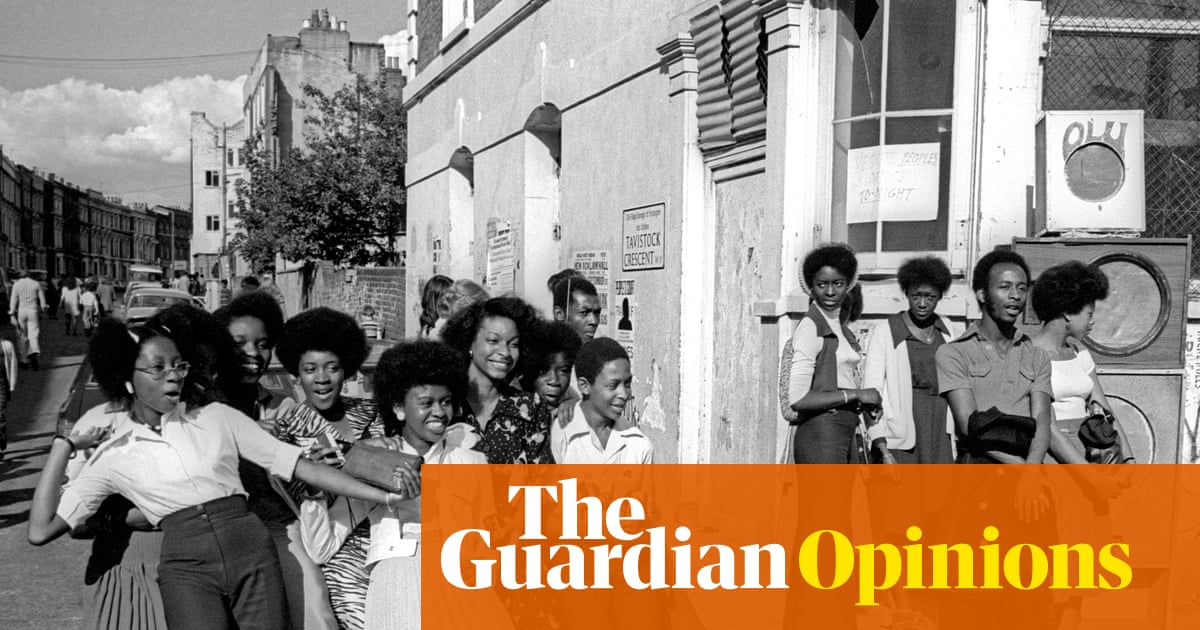
The Notting Hill Carnival, which began in the 1960s as a Caribbean celebration transplanted to Ladbroke Grove, underwent a significant transformation with the arrival of sound systems in the 1970s. Initially, the event was a way for Caribbean arrivals to celebrate their culture, but for some younger attendees, it felt like a chore.
As the 1970s progressed, London sound systems such as Coxsone Outernational, Jah Shaka, and 6X6 became a prominent feature. These systems played music that resonated with the younger generation, including reggae, lovers rock, soul, and funk. This shift made the carnival a more appealing event for teenagers, offering a sense of freedom and a place to connect with music and familiar faces.
A New Sense of Freedom
Author Lloyd Bradley described his peak carnival years as the early 1970s to the early 1980s. During this period, attendees could enjoy music and socialise without the obligation of constant movement. Refreshments were often self-catered, with people pre-mixing drinks like rum and cola or vodka and orange juice. Some would carry their drinks in backpacks or even attach cans to their belts, a practice that highlighted the more unregulated nature of the event at the time.
The carnival expanded, with sound systems setting up in various locations and front gardens being rented to accommodate smaller rigs. This created a widespread sense of community and ownership. For many, being able to move freely through a large area of London, surrounded by people who looked like them, and enjoying themselves without significant interference was a powerful experience. Revelry often extended from Friday evening through to Monday night or Tuesday morning.
The Impact of the 1976 Riot
The atmosphere of the carnival changed considerably after the riot in 1976. The aftermath saw increased police presence and greater regulation. Reporting at the time often focused on violence and criminality, which contributed to a palpable tension. This shift led to a reduction in the spontaneous and joyful anarchy that had characterised earlier years, with the event becoming more orderly and subject to external decision-making.
Bradley noted that many attendees, particularly those from outside London, became hesitant to attend due to the increased tension. The once self-regulating event began to feel like something being imposed rather than created by its participants. Despite these changes, the Notting Hill Carnival has continued, and with its 60th anniversary approaching, there are signs of a regeneration in size and spontaneity, with new generations bringing back elements of its original spirit.
Questions this report answers
01When did the Notting Hill Carnival begin and how has it evolved?
The Notting Hill Carnival started in the 1960s as a Caribbean celebration. In the 1970s, sound systems became prominent, introducing genres like reggae and soul, making it a key event for younger people. The 1976 riot led to increased regulation and a more orderly atmosphere.
02What was the atmosphere like at the carnival in the 1970s?
In the early 1970s, the carnival offered a sense of freedom and community, allowing attendees to enjoy music and socialise without strict regulation. People often pre-mixed their own drinks and carried them, and the event could extend over several days with music playing continuously.
03How did the 1976 riot affect the Notting Hill Carnival?
Following the 1976 riot, there was a significant increase in police presence and regulation at the carnival. This led to a more orderly event and a palpable tension, reducing the spontaneous and anarchic spirit that had previously defined it for many attendees.
Support is available without a police report
Find London services, specialist support and the rights set out in the Victims’ Code. If someone is in immediate danger, call 999.
Find victim supportSend a correction or case update
If a hearing, charge or outcome has changed, send the court, case number and source document so we can update the record.
Contact the deskContinue the investigation
 Community SafetyChelsea resident housed in Travelodge after ceiling collapse
 Community SafetyChildline marks 40 years since Esther Rantzen founded helpline
 Community SafetyOlympia alcohol licence approved despite resident objections
 Community SafetyEaling Council Approves New Hate Crime Strategy Amidst Rise
 Community SafetyCamden hostel death prompts coroner warning on drug support gaps
 Community SafetyHounslow Council told to rehouse vulnerable resident by Ombudsman