The morning case file
London Crime Briefing
Significant incidents, hearings, outcomes and public-data changes across the capital.
Subject
London Crime News has published 17 stories involving Notting Hill Carnival, from August 2026 to September 2026. Each one is scored for how well the original reporting stood up, and lists the reports it was written from.

Jeremiah Maximo, 38, has been charged in connection with the death of Thomas Jewitt, 32, who was assaulted at Liverpool Street Station on Sunday, August 30. Mr Jewitt died in hospital two days later.

Karnell Kelly, 25, has died after entering a canal during a police chase at Notting Hill Carnival. Officers pulled him from the water on Sunday, August 31, and he later died in hospital. The Independent Office for Police Conduct is investigating.

Metropolitan Police Commissioner Sir Mark Rowley has stated that prison overcrowding is forcing officers to release knife crime suspects on bail, even those with previous convictions. This situation is undermining efforts to control repeat offending, he warned.

An urgent appeal has been launched to find an eight-year-old boy named Shawn who went missing at Notting Hill Carnival. He was last seen on Wedlake Street on Monday afternoon and police are asking for the public's help.

More than two million people attended Notting Hill Carnival over its 60th anniversary weekend. The Metropolitan Police reported 243 arrests on Sunday and confirmed two individuals were treated for non-life-threatening knife wounds.

Thousands gathered for the 60th anniversary of Notting Hill Carnival, enjoying music, parades, and cultural displays. The event saw over 50 sound systems, with Soca proving most popular. A planned silence for Grenfell victims was briefly disrupted.

Police made 169 arrests on the first day of Notting Hill Carnival as of Sunday evening. Offences included drug and weapon possession, assaults, and sexual offences. Commander Claire Smart noted a reduction in serious violence compared to previous years.

Notting Hill Carnival 2026 has commenced on the August bank holiday weekend, marking its 60th anniversary. Police banned 300 individuals and seized weapons before the event, with no major incidents reported as of publication.
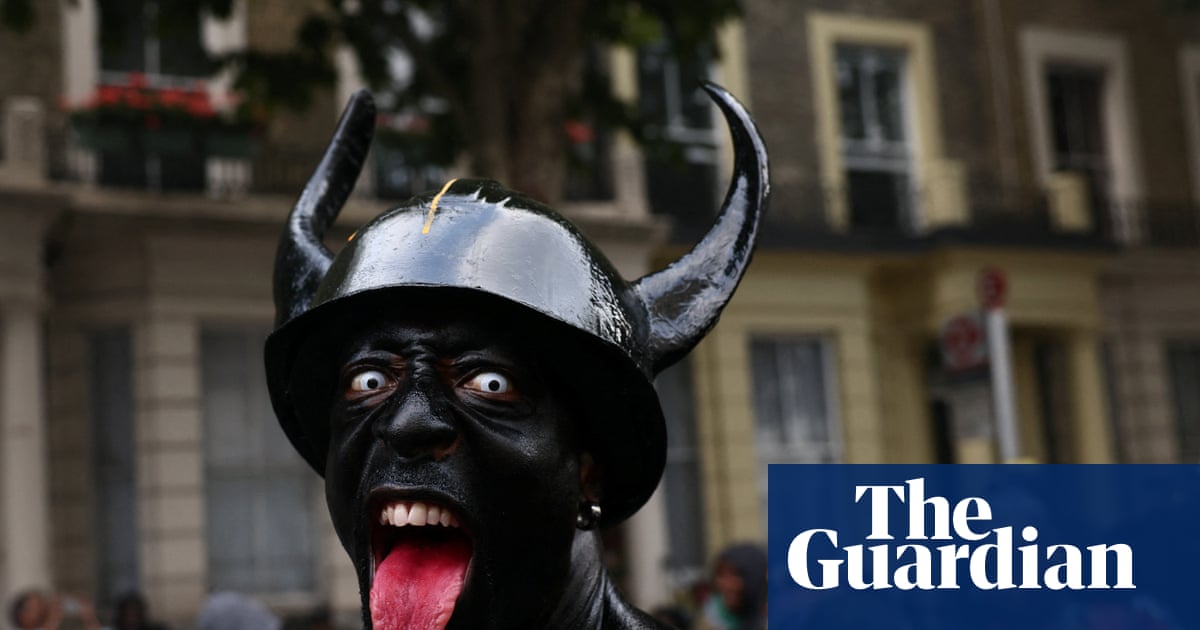
The Metropolitan Police Commissioner has decided against discontinuing the use of live facial recognition technology at the Notting Hill Carnival. This decision comes as campaigners voice strong objections, citing racial bias concerns. Separately, Usain Bolt stated that moving the carnival would lead to its end.

The cost of policing the Notting Hill Carnival has increased significantly, reaching £15.7m this year. Over 500 arrests were made last year, primarily for drug offences, and more than 330 individuals are banned from attending the event.

A plaque celebrating 70 pioneers of the Notting Hill Carnival has been installed at Westbourne Park Underground station. Transport for London commissioned the artwork to commemorate 70 years since it began recruiting staff in the Caribbean.

Over 330 individuals have been banned from attending the Notting Hill Carnival through bail conditions as part of a large-scale police operation. Raids have also targeted suspected robbery gangs, and numerous weapons have been seized across London.

Over 7,000 police officers will be deployed across west London for the 60th Notting Hill Carnival. Commander Claire Smart highlighted preventing serious violence and protecting women and girls as key priorities for the event.

Notting Hill Carnival is set to celebrate its 60th anniversary in 2026. The event, which began as a celebration of Caribbean culture, has grown significantly since its inception and draws millions of visitors annually.

Notting Hill Carnival faced collapse in 2025 due to funding shortfalls and safety concerns. An emergency £1 million bailout from City Hall and local councils, followed by a £4.66 million allocation from the Mayor of London, has secured its future.
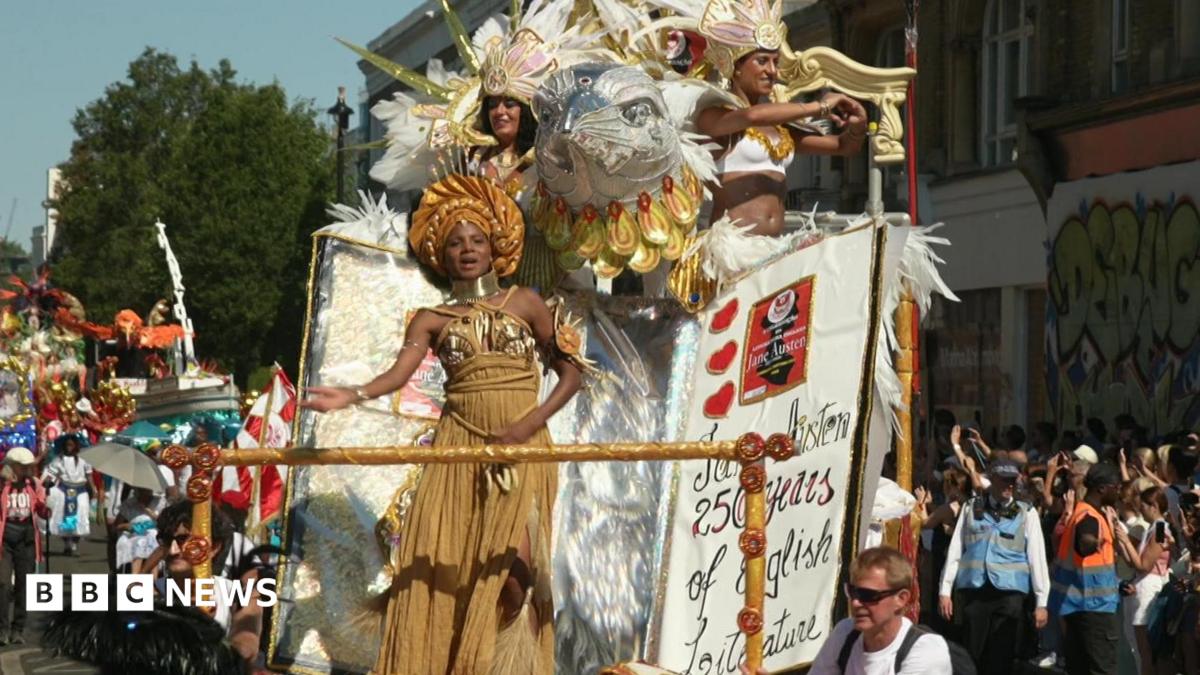
More than 3,000 stewards will patrol this year's Notting Hill Carnival, double the usual number, as organisers implement enhanced safety and crowd control measures. The event benefits from an additional £4.6m grant from City Hall, alongside increased CCTV coverage and police use of facial recognition technology.
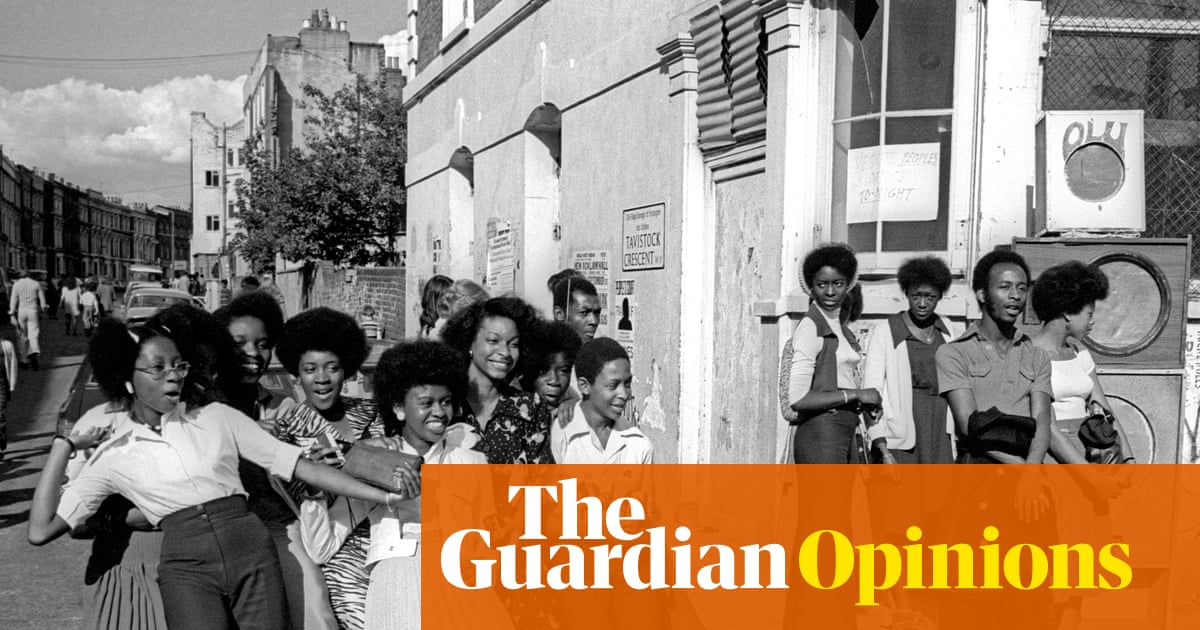
The Notting Hill Carnival, which began as a Caribbean celebration in the 1960s, transformed in the 1970s with the rise of sound systems. An author shares personal memories of this era, highlighting the sense of freedom and community before increased regulation following the 1976 riot.
Significant incidents, hearings, outcomes and public-data changes across the capital.