Coroner Rules Eltham Teacher's Death Avoidable After Missed Blood Clot
Dena Collins, 28, died from a heart attack caused by undiagnosed deep vein thrombosis in January 2023
 Incident → evidence → outcome
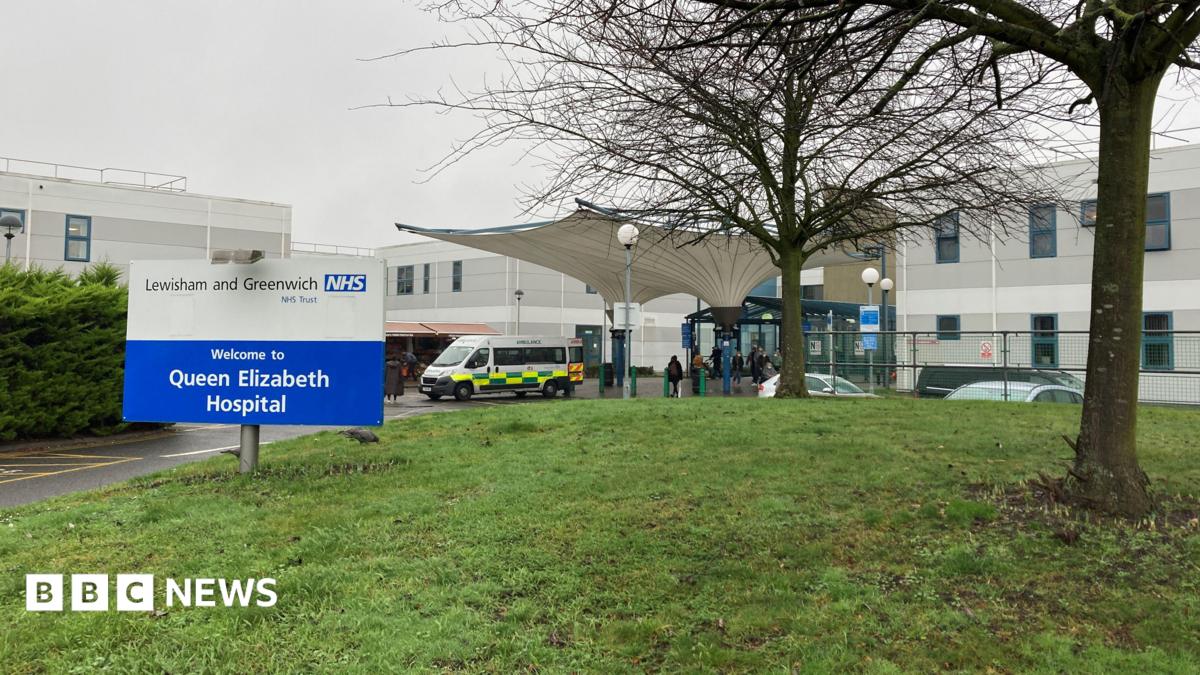
A primary school teacher from Eltham died from an avoidable heart attack after medical staff failed to diagnose a blood clot, an inquest has found. Dena Collins, 28, collapsed at home on 12 January 2023 and died later that day at Queen Elizabeth Hospital in Woolwich. The inquest, held at Inner South London Coroner’s Court, concluded on 31 July 2026 that her death would likely have been prevented if the clot had been identified and treated.
Assistant Coroner Linda Jacobs ruled that Collins died from deep vein thrombosis (DVT) and a pulmonary embolism. She stated that if the clot had been detected and treated with the correct medication, 'the fatal cardiac arrest would have been avoided.' Jacobs identified 'errors of clinical judgment' in both primary and secondary care but did not record a finding of neglect.
Missed Opportunities in Care
Collins first sought medical help three days before her death. She visited her GP complaining of leg pain but was diagnosed with muscular pain and sent home. On 11 January, she attended Queen Elizabeth Hospital using a crutch, reporting four days of leg pain, fever and diarrhoea. A triage nurse noted the possibility of a blood clot, and a D-dimer test, a standard screening for clots, returned a positive result.
Despite the test result, hospital staff diagnosed Collins with a possible ruptured cyst and advised her to return the following day for an ultrasound scan. She collapsed at home the next morning. Her father performed CPR before paramedics arrived, but she could not be revived. The inquest heard that Collins had no known risk factors for blood clots.
Family Calls for Accountability
“If something feels wrong, keep asking questions, seek a second opinion and advocate for yourself loudly.”
Speaking after the inquest, Collins’ sister Clare urged patients to trust their instincts. 'We hope the findings of this inquest lead to accountability and meaningful change so that no other family has to experience all that we have endured,' she said. The family has not indicated whether they intend to pursue legal action against the NHS trust or GP surgery involved.
NHS Trust Responds
A spokesperson for Lewisham and Greenwich NHS Trust acknowledged the inquest’s significance for the Collins family. 'We will now take steps to understand it in full so that we can consider how to take forward the relevant recommendations made by the coroner,' the spokesperson said. The trust did not specify what changes might be implemented or when.
The coroner’s report, including any recommendations, will be sent to the trust and relevant healthcare bodies. It is unclear whether the GP surgery involved in Collins’ initial care has been informed of the findings or will face further scrutiny. The inquest did not name the surgery.
What Happens Next
Lewisham and Greenwich NHS Trust has not set a timeline for reviewing the coroner’s recommendations. The trust said it would examine the findings before deciding on any changes to clinical procedures. The coroner’s report may also be shared with NHS England or the Care Quality Commission, though no formal referral has been confirmed.
Collins’ family has not announced plans for further action. The inquest did not apportion blame to individual clinicians, focusing instead on systemic issues in her care. Residents in Eltham and Woolwich with concerns about blood clot symptoms are advised to seek immediate medical attention and request further tests if their symptoms persist.
Questions this report answers
01What did the coroner say caused Dena Collins' death?
The coroner ruled that Dena Collins died from deep vein thrombosis and a pulmonary embolism. She stated that if the clot had been detected and treated with the correct medication, the fatal cardiac arrest would have been avoided.
02What mistakes were made in Dena Collins' medical care?
The coroner found 'errors of clinical judgment' in both primary and secondary care. Collins was misdiagnosed with muscular pain and a ruptured cyst despite symptoms of a clot, and a positive D-dimer test was overlooked.
03What has the NHS trust said it will do after the inquest?
Lewisham and Greenwich NHS Trust said it would review the coroner’s recommendations following the inquest. The trust did not specify what changes might be implemented or when, only that it would consider the findings before deciding on any changes to clinical procedures.
04What is the family calling for after the inquest?
Collins’ family called for greater patient advocacy, urging people to trust their instincts and seek second opinions. Clare Collins, her sister, said she hoped the findings would lead to accountability and meaningful change to prevent similar tragedies.
Support is available without a police report
Find London services, specialist support and the rights set out in the Victims’ Code. If someone is in immediate danger, call 999.
Find victim supportSend a correction or case update
If a hearing, charge or outcome has changed, send the court, case number and source document so we can update the record.
Contact the desk


